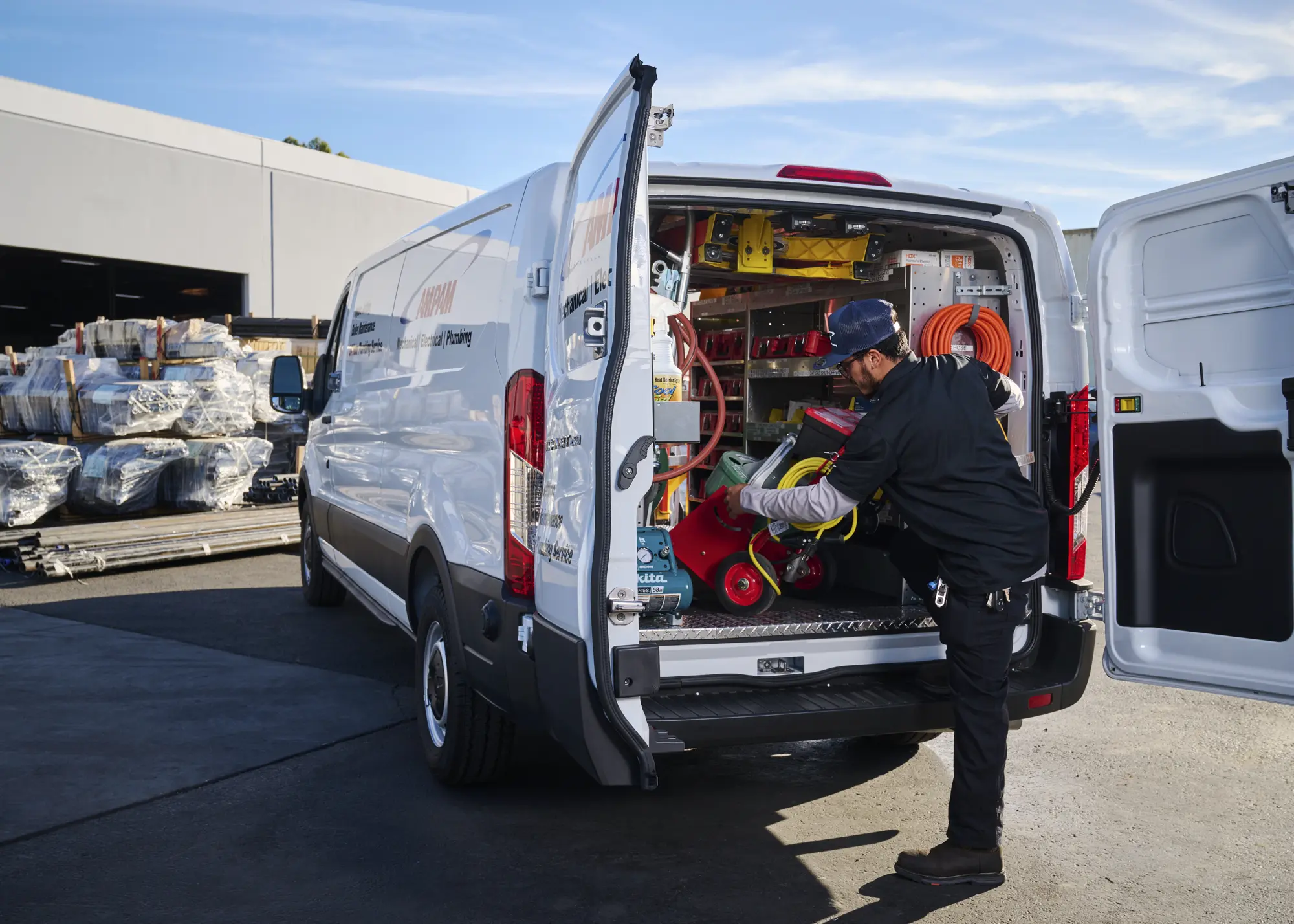
In-House Engineering That Connects Design Intent to Field Reality
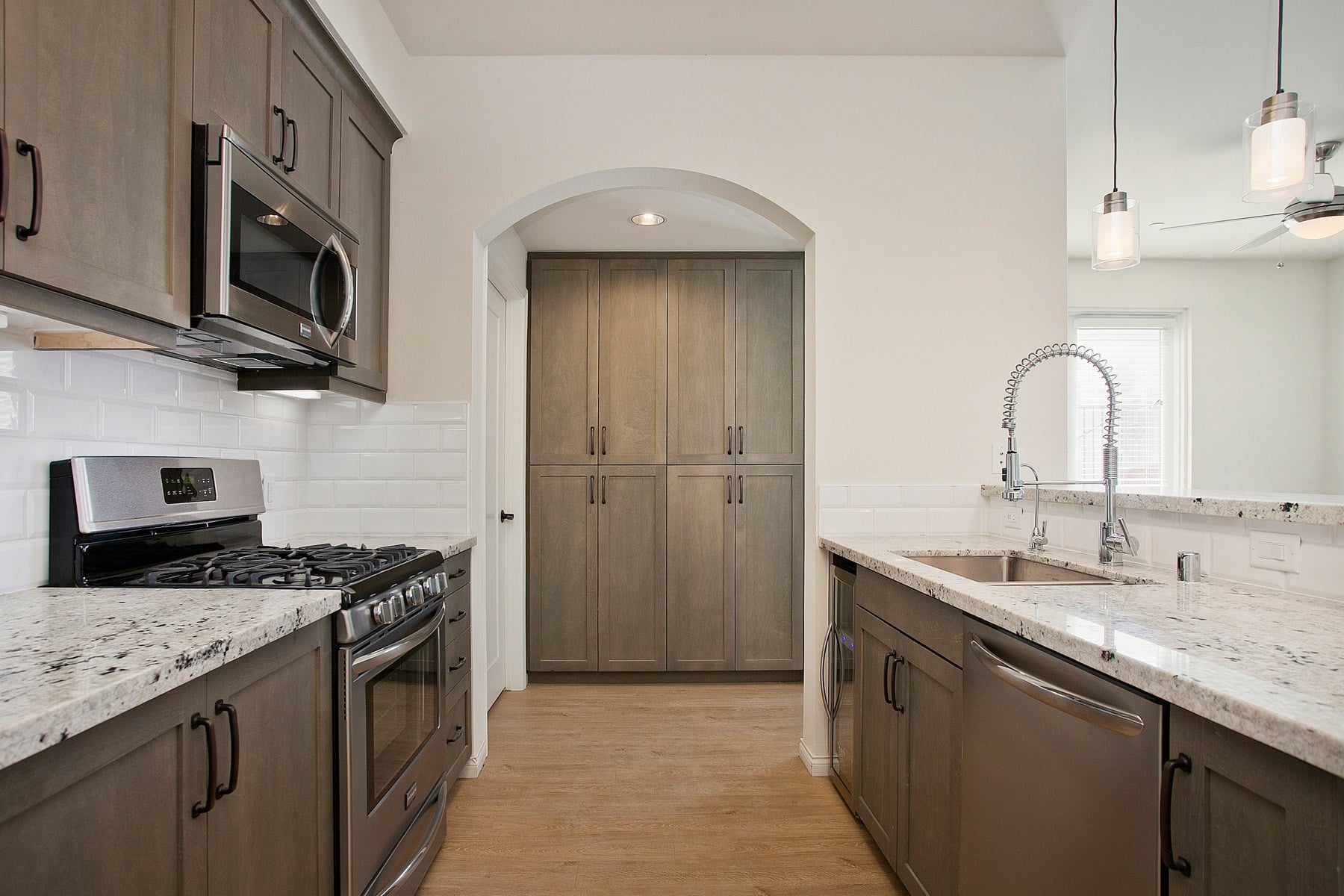
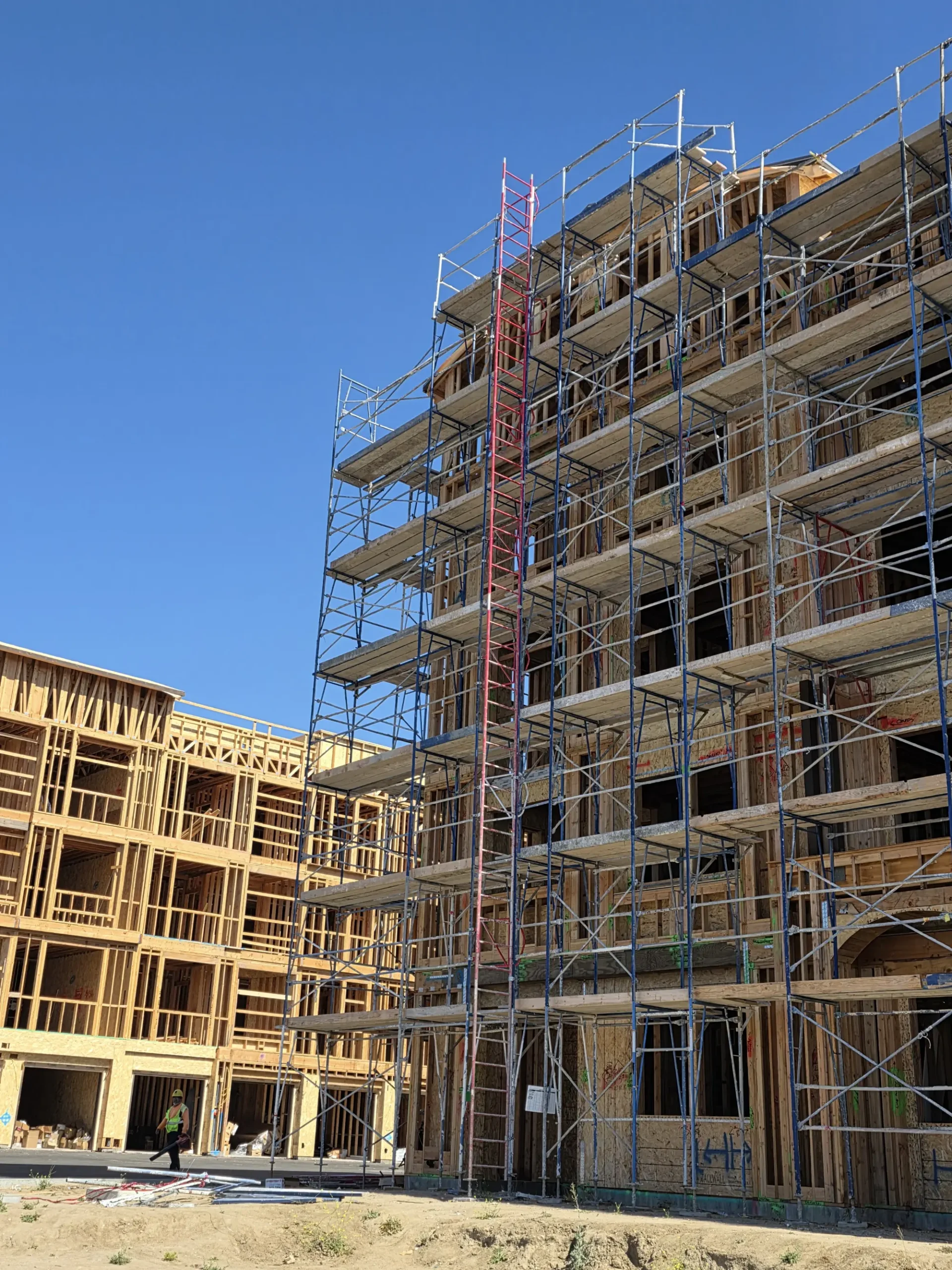
Pre-construction is where projects are won or lost, and our design team is at the table from the beginning. We review project plans and specifications with fresh eyes — applying decades of practical installation experience to identify constructability issues, spatial conflicts, and value engineering opportunities before a single drawing is issued for permit. Early AMPAM engagement consistently results in reduced RFIs, fewer change orders, and a smoother path from groundbreaking to certificate of occupancy.
Our designers produce detailed MEP construction documents in CAD and Revit, covering mechanical, plumbing, electrical, fire alarm, low voltage, and systems integration. We produce coordination drawings, system layouts, riser diagrams, and detail sheets that reflect how the systems will be built, not just how they were conceived. For design-build projects, we originate the design from concept through permit-ready documents. For design-assist projects, we receive the engineer of record's documents and develop them into fully coordinated, construction-ready drawings.
Building Information Modeling is where multi-trade coordination happens before it becomes a field problem. Our BIM team models all four AMPAM trades — mechanical, plumbing, electrical, and low voltage/fire — in a single coordinated environment, identifying clashes and spatial conflicts across all systems before installation begins. Because we own all four trades in-house, our BIM coordination is faster, more thorough, and more actionable than when separate subcontractors model their own scopes independently and reconcile afterward. Coordinated BIM models are shared with the general contractor and project team, providing a single source of truth for spatial coordination that all trades can build from with confidence.
Our estimating team works hand in hand with our design department—a combination rare in the MEP subcontracting world and enormously valuable to our clients. Estimates are produced by people who understand what systems cost to design, fabricate, and install, not just what they cost on paper. When budget pressures arise, our team identifies value-engineering alternatives that preserve system performance and code compliance while reducing costs — and models them in real time so clients can make informed decisions quickly.
Permitting is one of the most schedule-sensitive phases of any high-density construction project — and one of the most frequently underestimated. Our design team manages the preparation and submission of permit documents for MEP and low voltage/fire/integration scopes, coordinating with the authority having jurisdiction (AHJ), fire marshals, utility providers, and other agencies to expedite the approval process. We understand the documentation requirements, the comment cycles, and the agency relationships that determine how quickly a project gets approved and how cleanly it inspects.
Specifying the right equipment for a project is a design decision with long-term implications for energy performance, maintainability, and total cost of ownership. Our design engineers evaluate equipment options across all MEP trades — from mechanical equipment and plumbing fixtures to electrical gear, fire alarm panels, and low voltage systems — providing clients with informed recommendations that balance first cost, energy efficiency, availability, and lifecycle performance. We work closely with our purchasing team to ensure that specified equipment is procurable on the project schedule and at the right price.
Our design capability extends fully into the low voltage, fire, and integration scope. We provide design-build and design-assist services for fire alarm systems, access control, CCTV, intrusion alarm, Wi-Fi and wireless infrastructure, structured cabling, emergency radio communication systems, and audio/visual installations. System designs are developed in coordination with NFPA 72 and applicable life safety codes and are fully integrated into the overall BIM coordination model so that low voltage pathways, equipment rooms, and penetrations are resolved alongside mechanical, plumbing, and electrical systems from the start.
At AMPAM, design does not stop at the drawing. Our design team produces fabrication-ready outputs — spool drawings, cut sheets, and assembly instructions — that feed directly into our prefabrication operation. This integration eliminates translation errors that occur when design and fabrication are performed by separate parties and enables our 50,000-square-foot fabrication facility to produce assemblies that install faster, fit better, and require less rework in the field.
Our design team does not hand off and walk away. For design-build projects, our engineers and designers remain engaged through construction, responding to RFIs, issuing design clarifications, and supporting field teams through commissioning and system turnover. This continuity — from the first design meeting to the last inspection — is what separates AMPAM from subcontractors who treat design as a front-end deliverable rather than an ongoing responsibility.
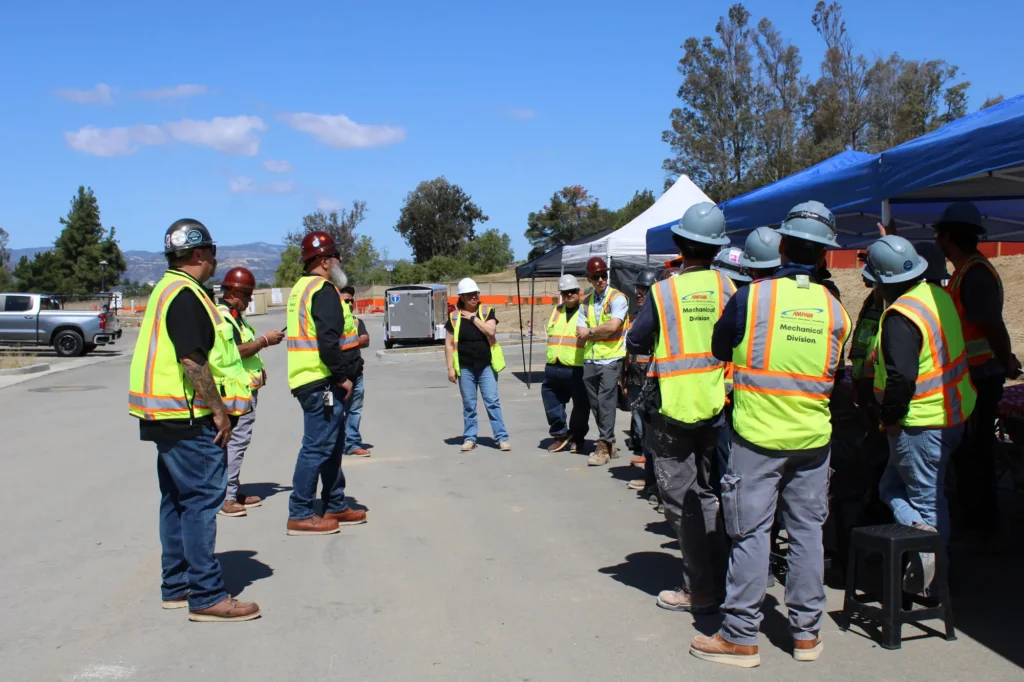
Our design team supports a wide range of project delivery models and client types:
AMPAM delivers Mechanical, Electrical, Plumbing, and Low Voltage services across every phase of a project—from design and prefabrication through installation and long-term service. Our integrated approach ensures continuity, coordination, and consistent results from start to finish.
explore capabilitiesThe best time to bring AMPAM into a project is before the design is finished. The earlier our team is at the table, the more value we can add — and the smoother the project will run from that point forward. Whether you are in schematic design, design development, or preparing to issue for permit, contact us to discuss how our in-house MEP design team can support your project.